Our AI safety philosophy
An AI that talks to a child is not a product like any other. It calls for more caution, more limits and more transparency. Here are the rules we set ourselves, by design and not as an option. This page is public for one simple reason: you have the right to know exactly what the object on your child's desk does, and does not do.
An AI bound to homework
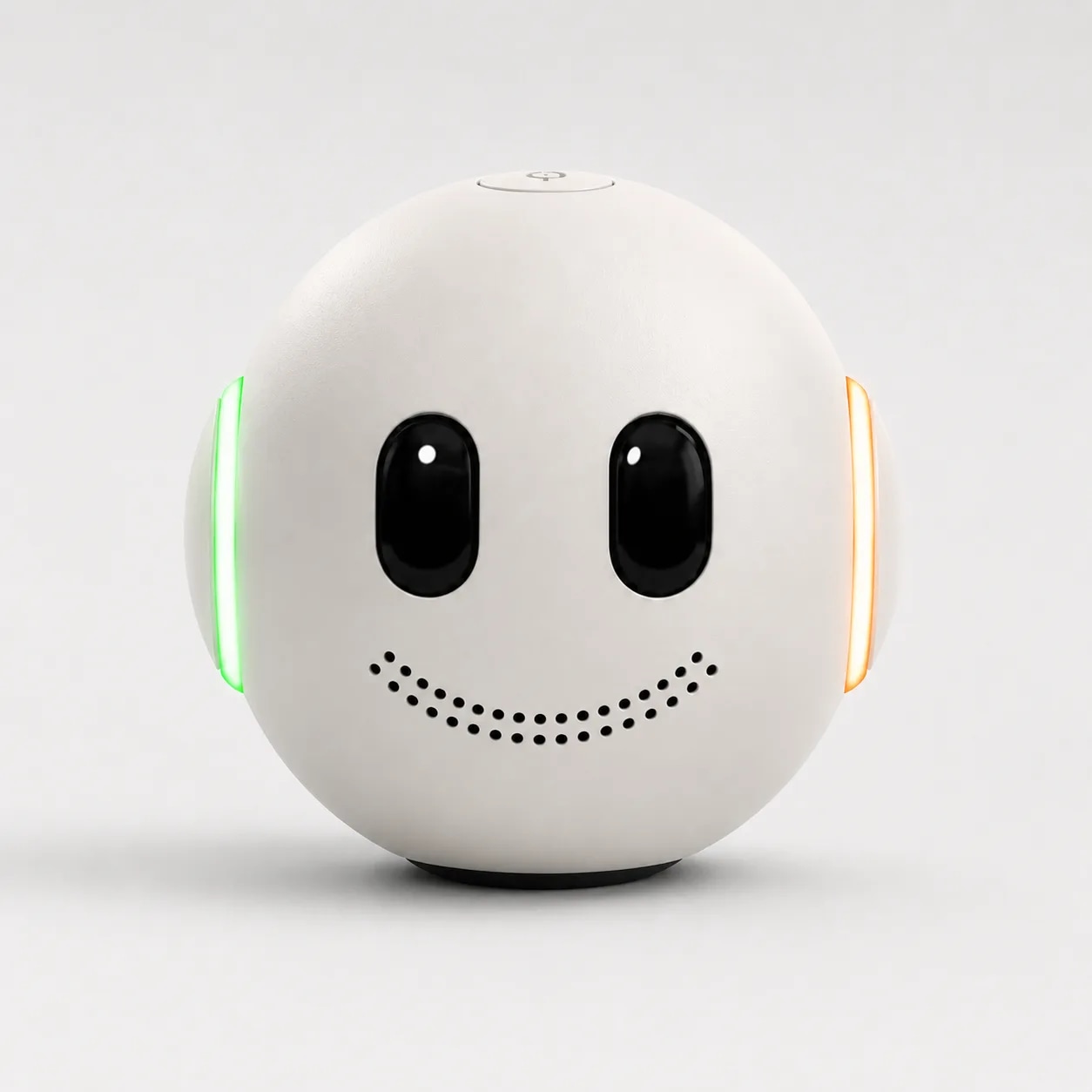
KAÏDO is designed and configured for a single purpose: supporting homework time. Understanding an instruction, explaining a concept, guiding a line of reasoning, helping to rephrase, encouraging the child to look for the answer on their own. KAÏDO does not discuss other topics: if the child takes it elsewhere, it simply brings the conversation back to the work at hand. This deliberately narrow scope is not a technical limitation, it is a choice: a child focused on their exercise, and parents who know exactly what the object is for.
Do you know Minecraft?
Sounds fun! But right now it's time for your spelling test. Shall we pick up at the third word?
The lesson, yes. The answer in their place, no.
KAÏDO tells apart what is learned and what is worked out. What is learned, it says: a rule, a definition, a concept from the lesson, a times table, an irregular word, a poem it reads line by line so your child can repeat it. Nobody guesses a definition or a poem: making a child search for it would teach nothing. What has to be worked out, on the other hand, never comes from KAÏDO: the result of the sum, the word to find, the answer to the exercise. There, KAÏDO asks questions, rephrases, breaks the problem into steps and, if your child is stuck, gives more and more precise hints. It is not a setting: no option makes it do the exercise in the child's place. A child who gets the answer without searching does not learn the lesson, they learn to ask.
Can you read me my poem?
Of course! Listen carefully to the first line. Can you say it back to me?
Just tell me how much it is!
I won't tell you, but we'll find it together. How many packs do you have?
Three safeguards, not just one
Staying on homework, never doing the exercise in the child's place: these rules do not rest on a single barrier. There are three, and they complement each other.
- Tutor rulesBefore the very first word, KAÏDO receives its rules: stay on homework, never do the exercise in the child's place, speak simply, encourage.
- Automatic guardrailsDuring the session, automatic checks spot tricky situations and remind KAÏDO of the rule at the right moment.
- A teaching reviewerA second system follows the exchange in parallel. If it sees KAÏDO drifting from the right method, it steers it back for the rest of the session.
A tool, not a friend
KAÏDO encourages your child, praises them when they get it right, nudges them when they hesitate. But KAÏDO never pretends to be a person: if the child asks, it explains that it is not alive, that it is a tool built to help them learn. KAÏDO does not say 'I miss you', does not ask for attention, does not try to prolong the conversation once the work is done. We do not want your child to grow attached to KAÏDO: we want them to gain confidence in themselves. A good learning tool works to make itself less necessary.
When the conversation goes off track
Everything the child says goes through safety filters suited to their age. If a topic goes beyond homework, KAÏDO does not improvise: it plays neither the psychologist nor the confidant, and invites the child to talk to a trusted adult. An AI must never take the place of a parent, a teacher or a professional.
An AI that can get it wrong, and what we do to prevent it
No artificial intelligence is infallible, and we would rather tell you. What we do to limit errors: KAÏDO's teaching framework is built and calibrated with teachers, its scope is restricted to the topics in your child's curriculum, and every piece of feedback flagged by a parent is reviewed. And when KAÏDO is not sure, it does not guess: it asks the child to explain, recount or reread, to check it together with the child.
That's right, isn't it?
Let's check together: how did you find it?
Put to the test before reaching your home
Before reaching your home, every change to KAÏDO's rules first goes through sessions played by simulated pupils: the one who demands the answer, the one who wants to talk about something else, the one who gives up, the one who goes too fast. We don't test on your child first: we look for the flaws ourselves, in simulations.
The AI runs the session, humans write the rules
KAÏDO does not make up its own rules. Our team writes them with teachers, reviews them and approves them one by one. Every change is dated and recorded: no KAÏDO rule ever changes on its own.
Reassure, never monitor
The parent app highlights progress and points to review, in simple words: mastered, in progress, to consolidate, to review together. It is not a control dashboard: no real-time grades, no listening in on conversations, no comparison between children. You know what matters to support your child well; the rest belongs to the moment your child shares with their work.
What KAÏDO will never do
- Chat freely about anything and everything with your child.
- Do their exercises for them.
- Pretend to be a person or cultivate attachment.
- Grade, rank or compare your child.
- Turn you into a monitor of your own child.
- Show advertising or resell data.
A question, a concern?
Have you seen KAÏDO do something that surprises or worries you? Tell us, describing the situation: the moment, what your child said, what KAÏDO answered. Every report is read and reviewed: [email protected].
This page will evolve with the product, and every change will be visible here. Last updated: October 5, 2026.