EDUKAÏDO · September 2026
What if we helped children think, rather than answer?
The PISA 2025 results put numbers on what many families already live through every evening. KAÏDO was not born out of these results. But they confirm, one by one, the convictions that shaped it. Here they are.
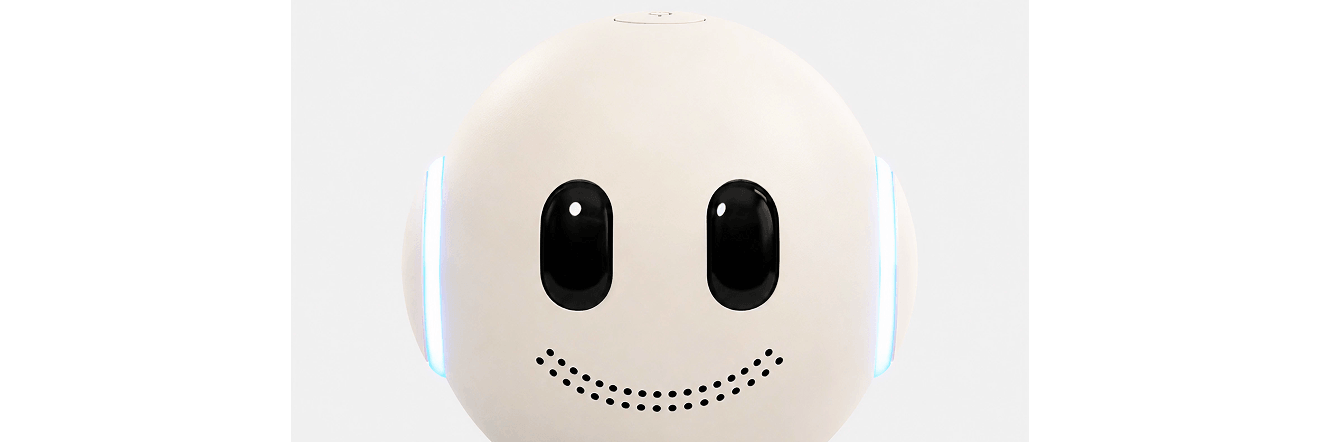
What is KAÏDO?
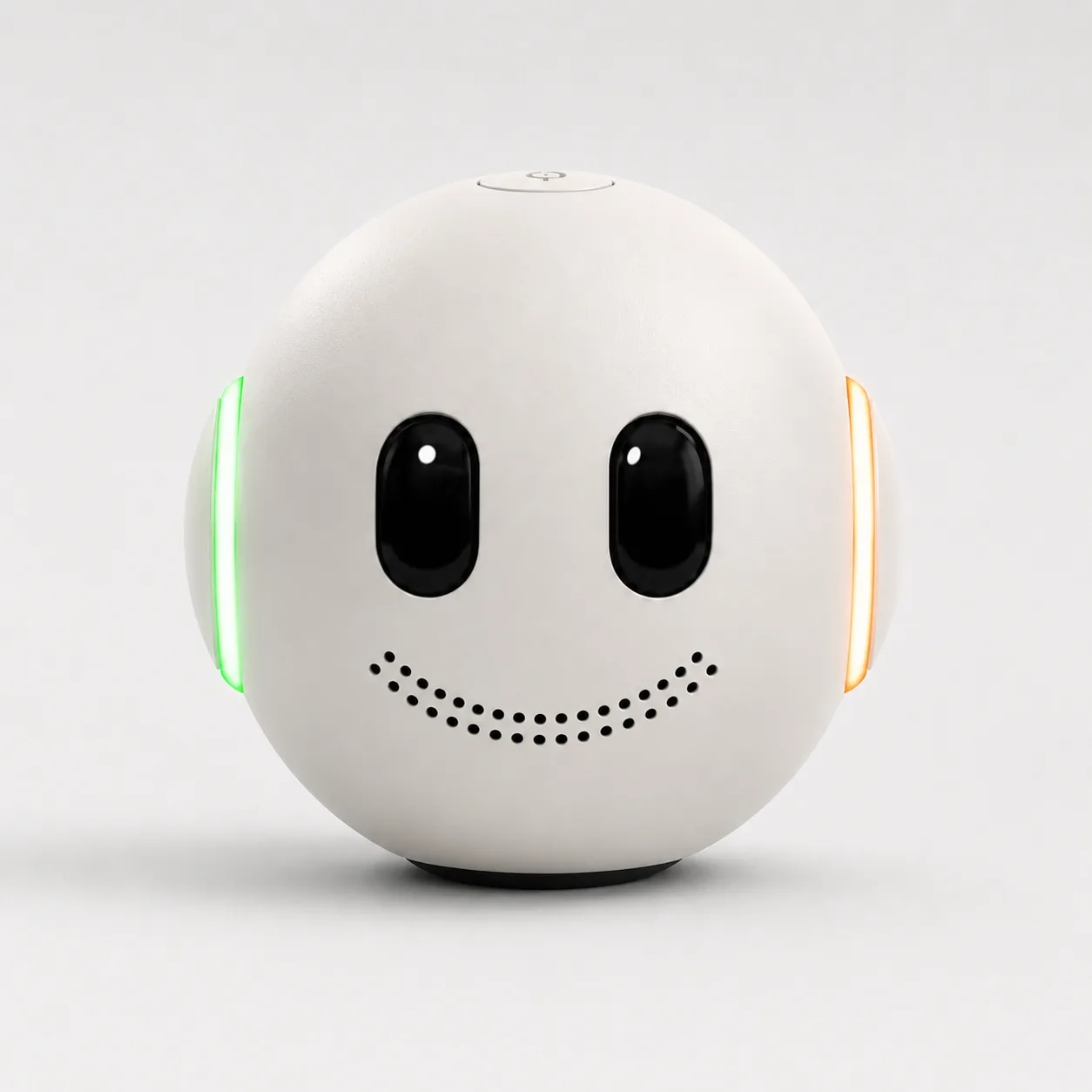
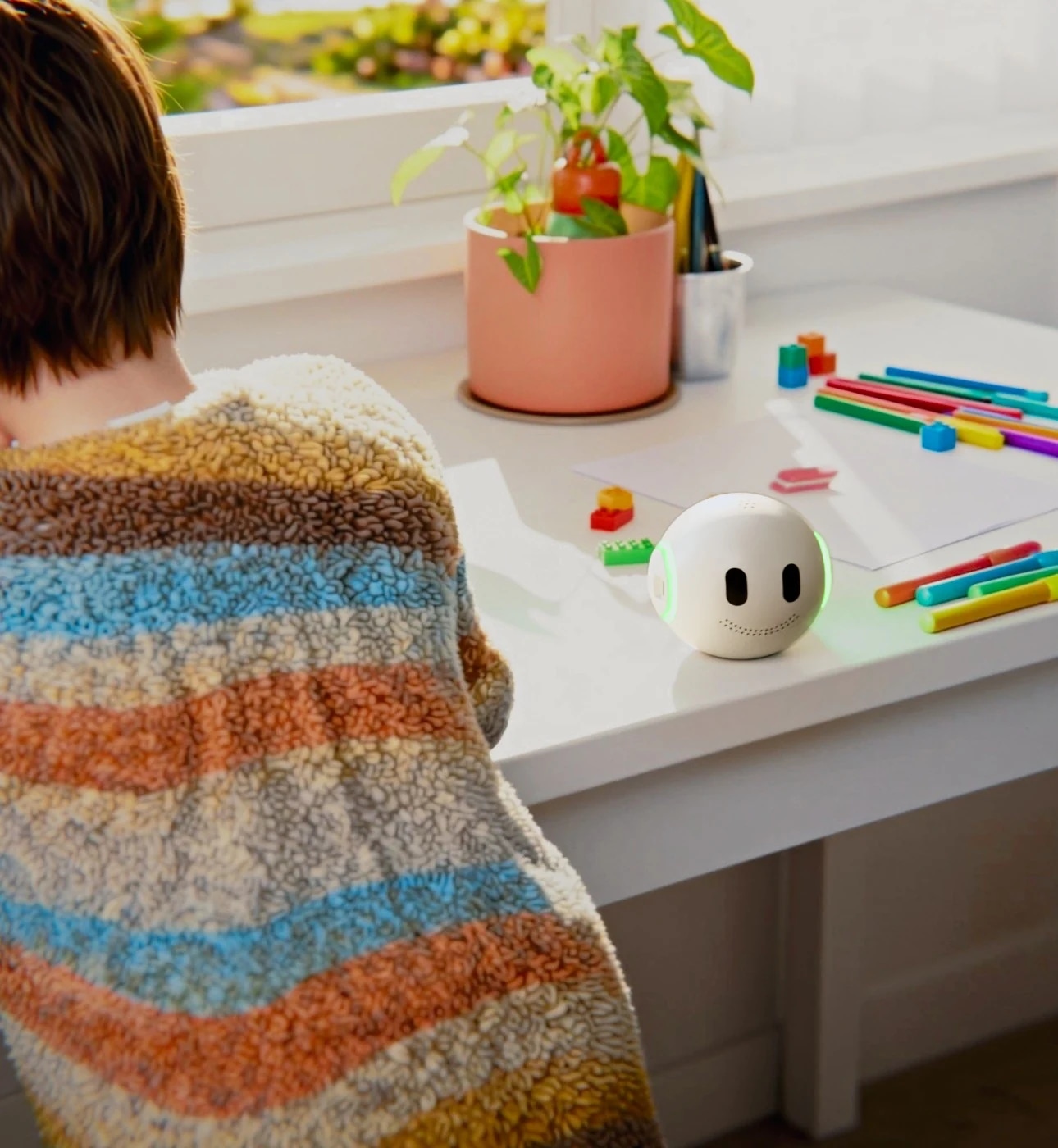
A small screen-free sphere that supports children aged 6 to 11, from Year 2 to Year 6, while they do their homework. It talks with them out loud: it asks questions, encourages, rephrases, and never gives the answer in the child’s place. A soft light shows where they stand, and an app gives parents a simple view of what is mastered, in progress, or worth going over together.
01
AI can help, as long as it does not replace the effort
That is the OECD’s central message this year: technology and artificial intelligence can strengthen learning, as long as they do not stand in for the pupil’s attention, effort and understanding.
That is KAÏDO’s founding principle. Most AI tools hand over the answer: the homework is done, but nothing has been learnt. KAÏDO does the opposite.
KAÏDO uses AI to make the child think, not to think in their place. Always with them, never instead of them.
02
Screens are part of the problem. KAÏDO does not have one.
The French Ministry of Education lists growing exposure to screens and social media among the factors behind falling results, and wants to protect pupils’ ability to concentrate by limiting digital use.
Pupils who report being distracted by digital devices during lessons score clearly lower than the others, at comparable social background.

A pen, a notebook, and KAÏDO lighting up to support, never to distract.
Since screens are part of the problem, we did not want the technology meant to help children to come through yet another screen. KAÏDO brings AI into the child’s room without adding a screen to it.
03
The real issue is not the grade. It is understanding.
1 in 3
Around one 15-year-old in three does not reach the baseline level in mathematics or reading.
since 2015
The share of pupils in difficulty keeps rising, in mathematics as in reading.
PISA 2025, France (OECD)
KAÏDO was not designed to get homework finished faster. It was designed so that the child understands. Every exchange follows the same path:
The learning path with KAÏDO
- 01say it in your own words
- 02ask yourself questions
- 03reason it through
- 04understand
- 05check it has stuck
The real issue is not having the right answer. It is understanding how to get there.
04
Effort and encouragement count, and it shows
And those who are convinced of it do clearly better than the others, at comparable social background. Be careful about what this figure actually says: it describes an observed link between a belief and results, not the effect of a product. Nobody improves because an object sits on their desk.
What it does tell us is that the way a child pictures effort matters, and that this picture is built exercise after exercise. That is why KAÏDO refuses to give the answer: it does not only reward the right result, it supports the path that lets the child find it alone.
81%
of French pupils believe intelligence grows through work, effort and the feedback you receive, against 69% on average across the OECD.
PISA 2025, France (OECD)
Two ways of answering the same question
Tap to compare.
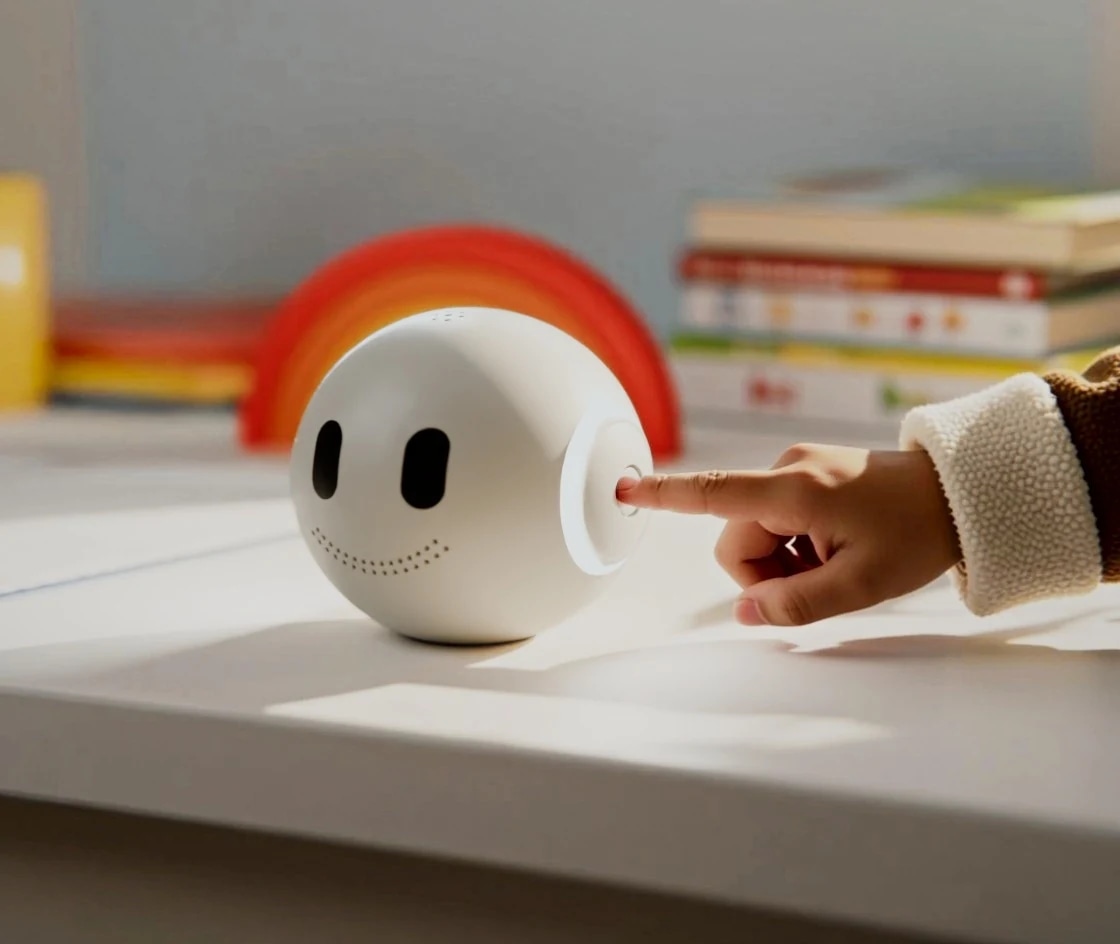
Result: the homework is done. Nothing has been learnt. Tomorrow, the same question comes back.
05
Parents do not need replacing. They need help.
PISA records a marked decline in the family support pupils report. Not because parents care less about their children, but because time, energy and sometimes knowledge run short at homework time.
France shows one of the lowest parental support levels in the OECD. And the survey finds that simply having a parent ask what the child did at school is linked to better results, whatever the social background.
74% to 63%
of parents who ask every week how school is going, between 2022 and 2025.
63% to 49%
of pupils whose parents take an interest in what they learn in class.
PISA 2025, France (OECD), family support as reported by pupils
KAÏDO is not meant to push parents out of homework. Quite the opposite: it supports the child when the parent is not available, and shows parents where their presence really counts.

In the app, no grades and no rankings. Simply what is mastered, in progress, worth consolidating, or worth going over together.
06
Understanding should not be a privilege
In France, the gap between pupils from the most advantaged backgrounds and those from the least advantaged ones is wider than the OECD average. Family background weighs more here than elsewhere.
Not every child has a parent free at half past six, a parent at ease with fractions, or the option of private tutoring every week.
We do not claim to solve educational inequality. Our ambition is simpler, and already huge: to make one-to-one support far more accessible, for far more children.
07
Difficulties seen at 15 do not begin at 15
PISA measures pupils at 15. But the Ministry itself stresses it: this diagnosis confirms the priority given to younger children, on language, reasoning, limiting digital use and involving parents.
That is why KAÏDO is built for ages 6 to 11, from Year 2 to Year 6, to prepare a calm move into secondary school.
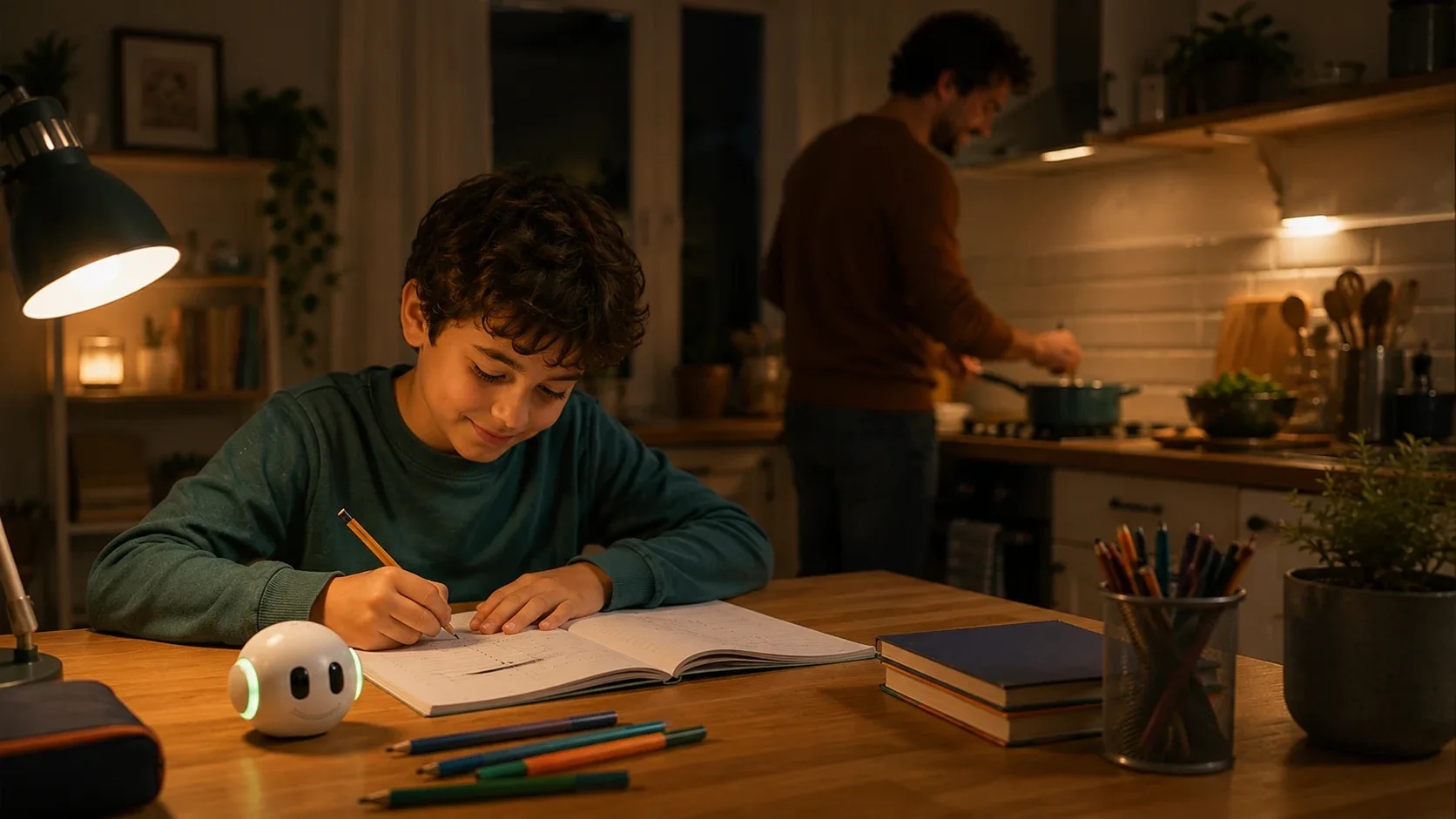
Primary school is where the basics are built, but also where the way of learning takes shape: searching, reasoning, persevering, daring to ask for help. That is precisely where we chose to act.
Our commitment
KAÏDO promises no miracle. It promises one thing: every evening, a child stuck on their homework will find in front of them not an answer machine, but a patient presence that helps them find the path themselves. No screen, no grades, no pressure.
Because the day a child understands that they are capable of understanding, everything changes.
Sources
The figures quoted are those published for France. We do not recalculate them, and we draw no promise of results from them.
Frequently asked questions
PISA measures pupils at 15. Why an object for 6 to 11-year-olds?
Because difficulties seen at 15 do not begin at 15. Language, reasoning, confidence and method are built at primary school. That is where KAÏDO acts, from Year 2 to Year 6.
Does KAÏDO improve school results?
We promise no grades, and no figure on this page measures KAÏDO’s effect. What we work on is the way of learning: searching, getting it wrong, correcting yourself, daring to ask. International assessments describe exactly this foundation as the one most often missing today.
Where do the figures on this page come from?
From the PISA 2025 results published by the OECD and from how the French Ministry of Education presented them. We quote them as they are, with no recalculation. We only translated into words the gaps the OECD states in points on its scale: a parent should not need to know that scale to understand what is at stake.
Was KAÏDO born out of these results?
No. KAÏDO was designed before they were published, with teachers and education specialists. These results taught us nothing about our product: they put numbers on the convictions that shaped it.
An object that teaches children to think, not to answer.
Leave your email to hear what comes next.
€49 with 3 months of KAÏDO+ included